
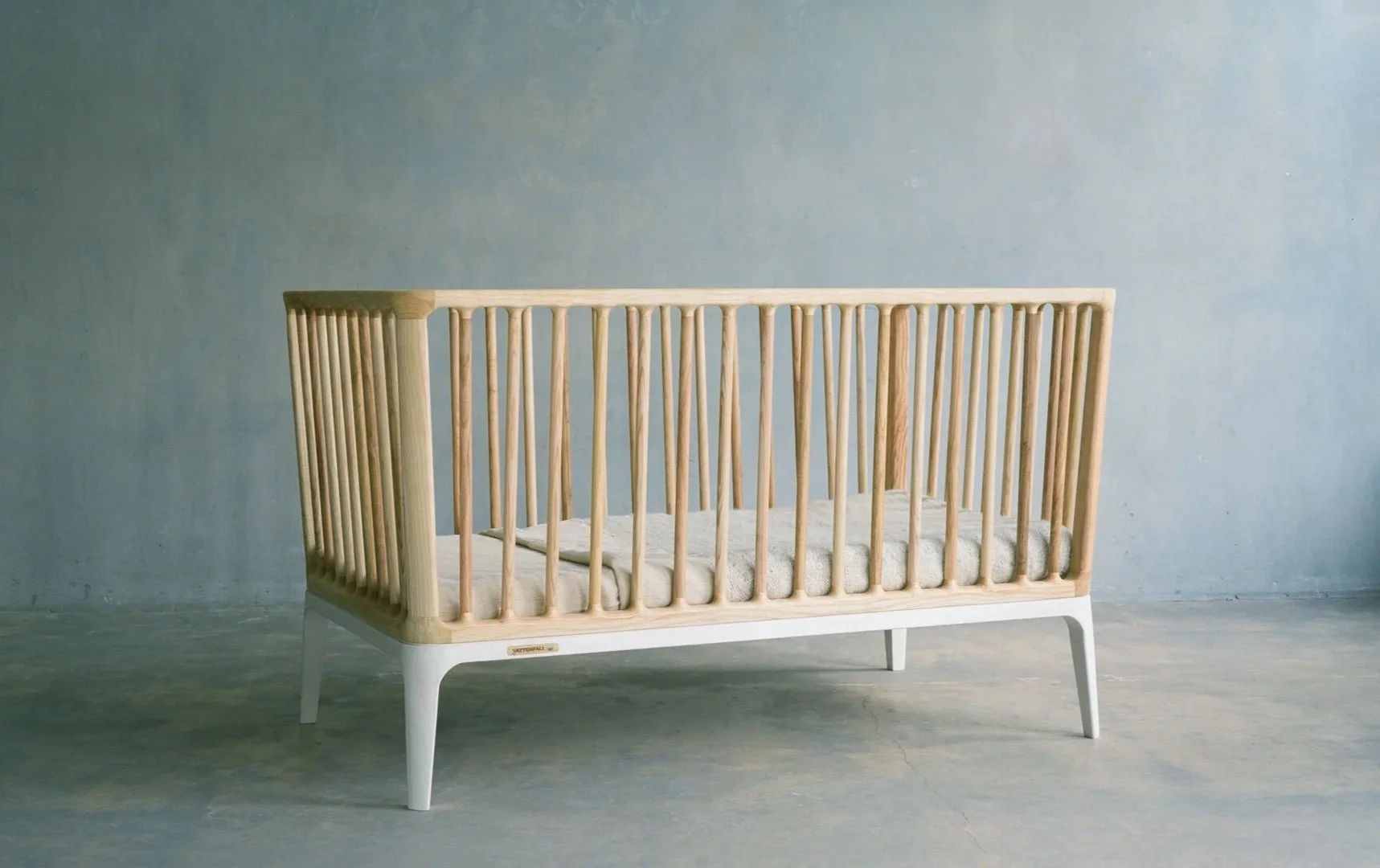
Fossil Fuel Free Crib
CMF Design
Rendering
Materials Research
Supply Chain Management
Design for Manufacture
Client Communication
Team Leadership
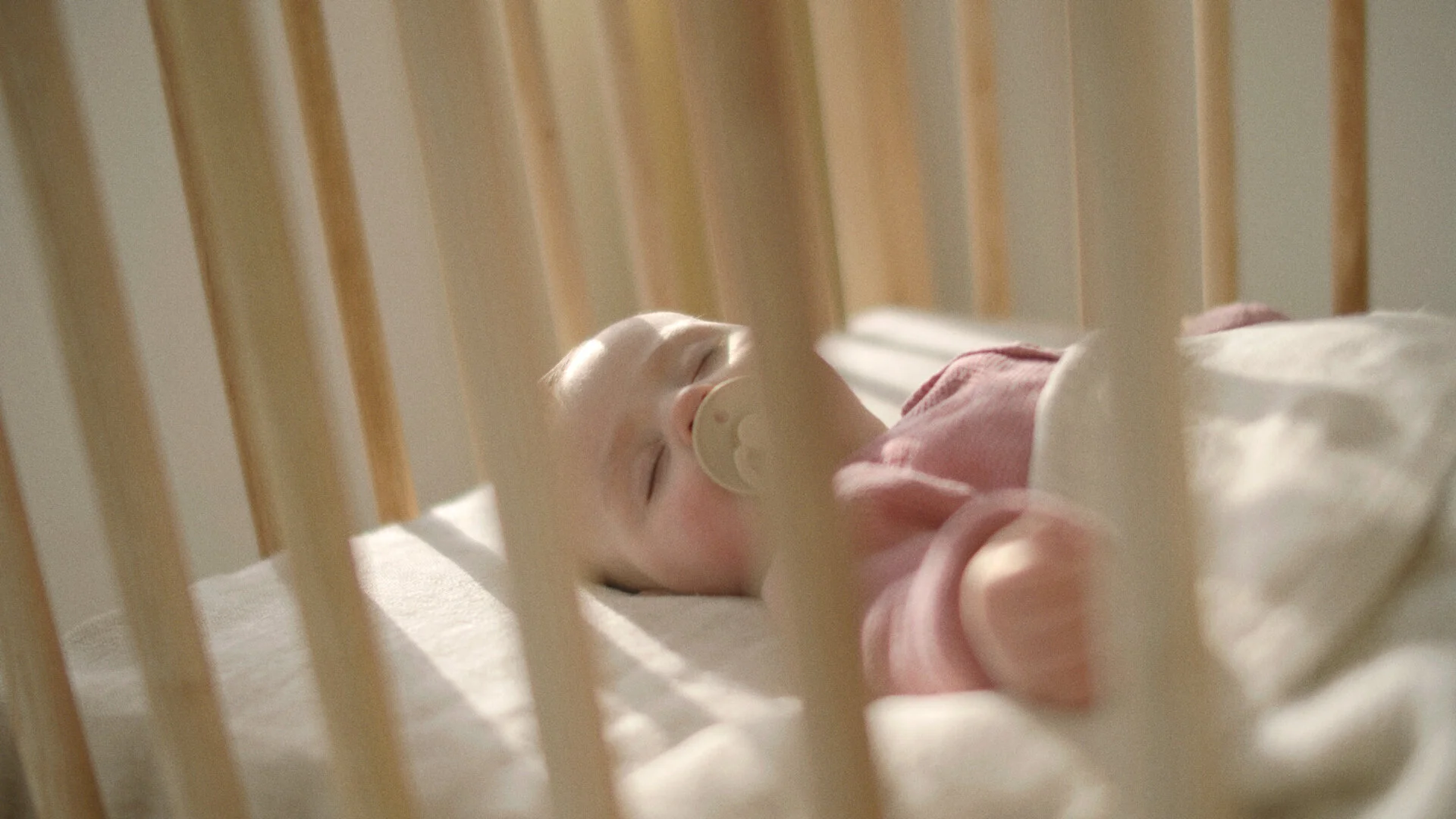
Built to industry standards without using a single gram of coal, oil or gas at any stage of manufacturing or transportation, the fossil fuel-free crib is the symbol of a commitment with renewable energy. An ordinary crib, and the first thing that the new generation of humans living in a fossil-free world will need: a place to sleep.
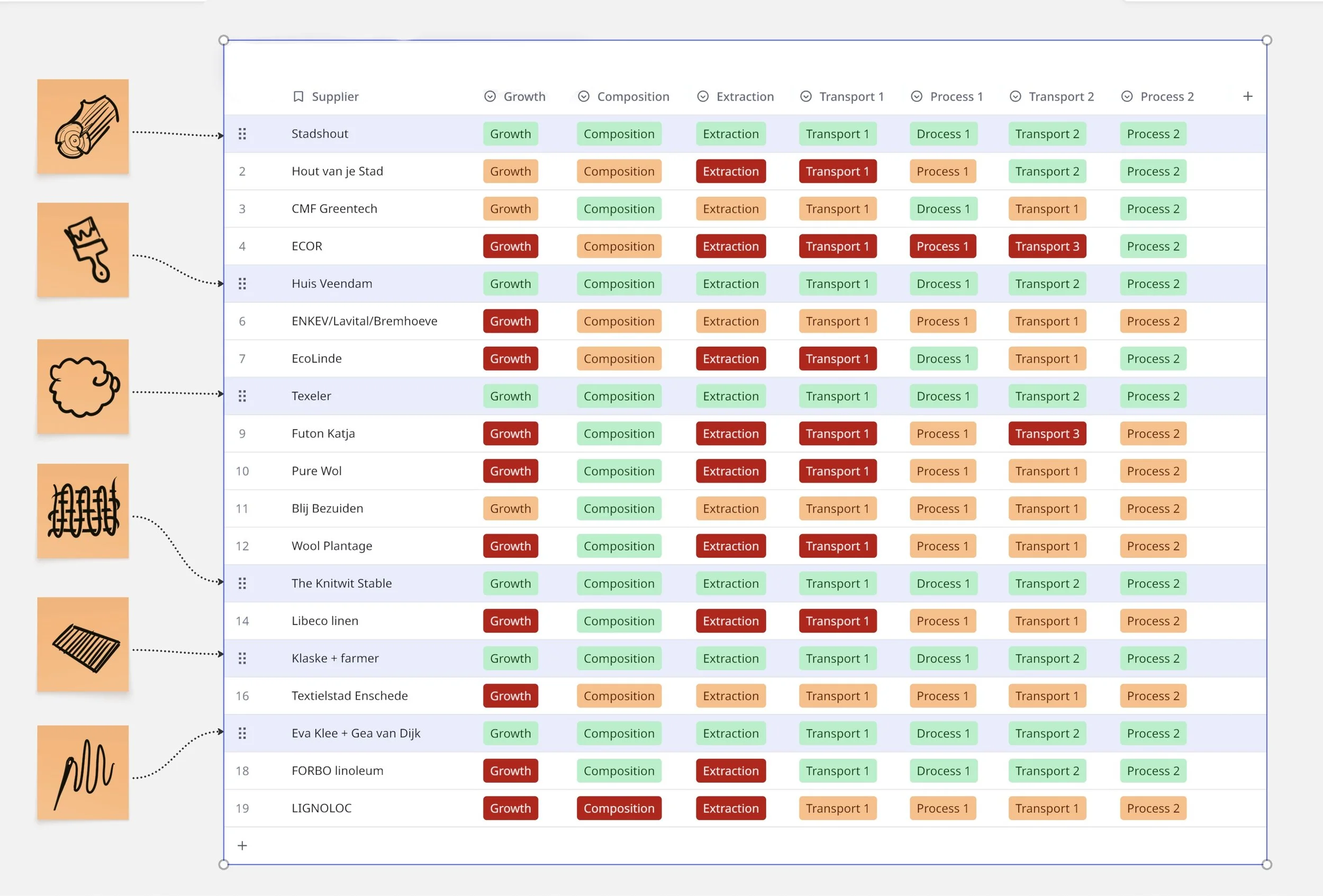
A traceability endeavour that involved dissecting and taking a close look at every part of the supply chain through the lens of fossil fuel usage. A constraint that’s very different from other sustainability-led approaches, such as CO2-neutral or recyclable. Plus a visual language to support the statement.

Dissecting the supply chain for a different approach to sustainability
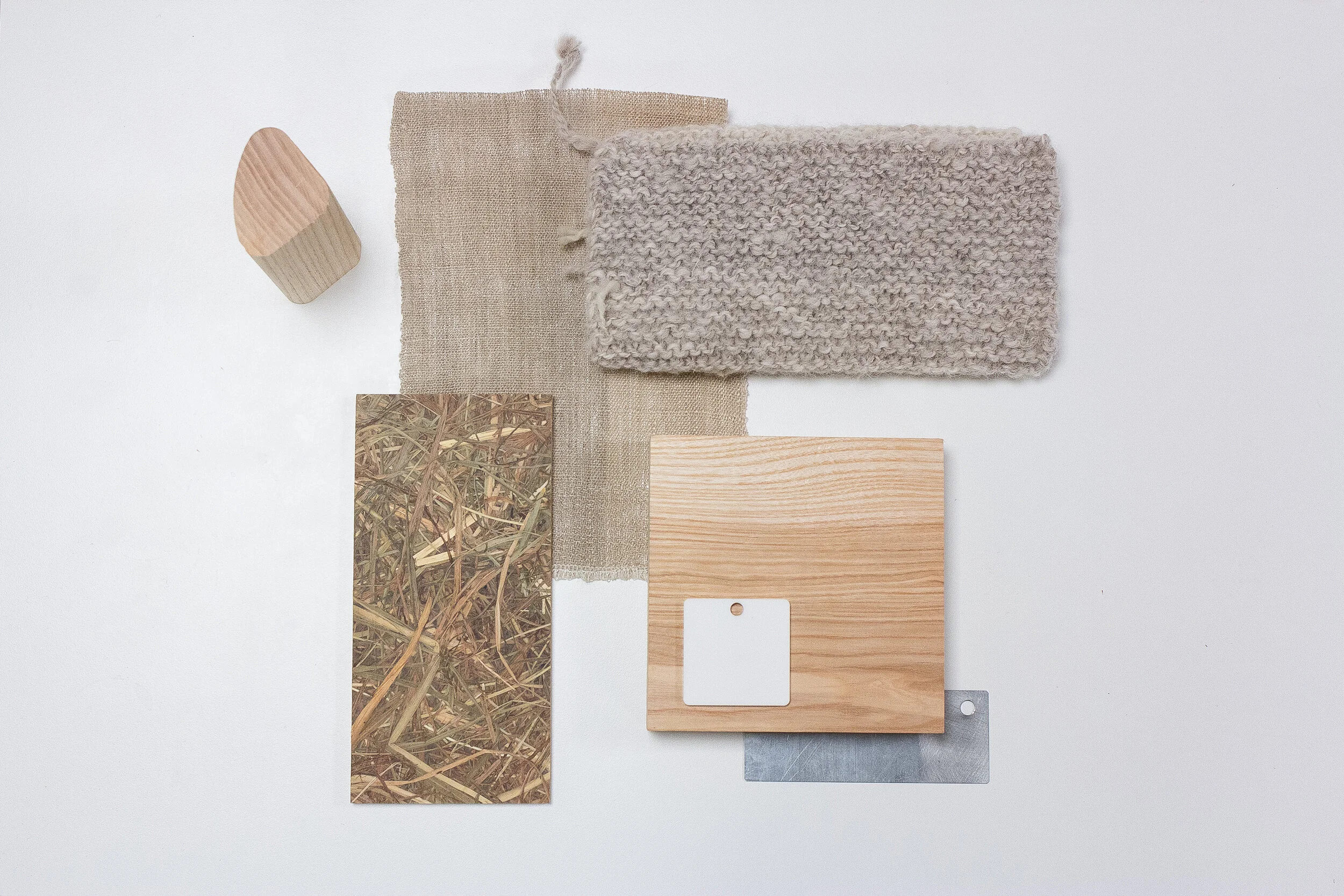
The crib, produced in renewable energy-powered facilities, relies on wood joints and natural glue for its integrity. A bio-composite made from potato starch and vegetable fibres lies below the mattress, for which Dutch islands sheep provided wool. The bed linen was made entirely by hand (spun and woven on a traditional loom) by talented artisans, and for the blanket, locally bred Merino sheep and alpacas supplied more wool. Topping it all up, cold-pressed linseed oil and paint also made from chalk and potato starch were used for the finish. The very first piece of steel ever made without fossil fuels was also added to the crib, as a final touch.
Scandinavian soul
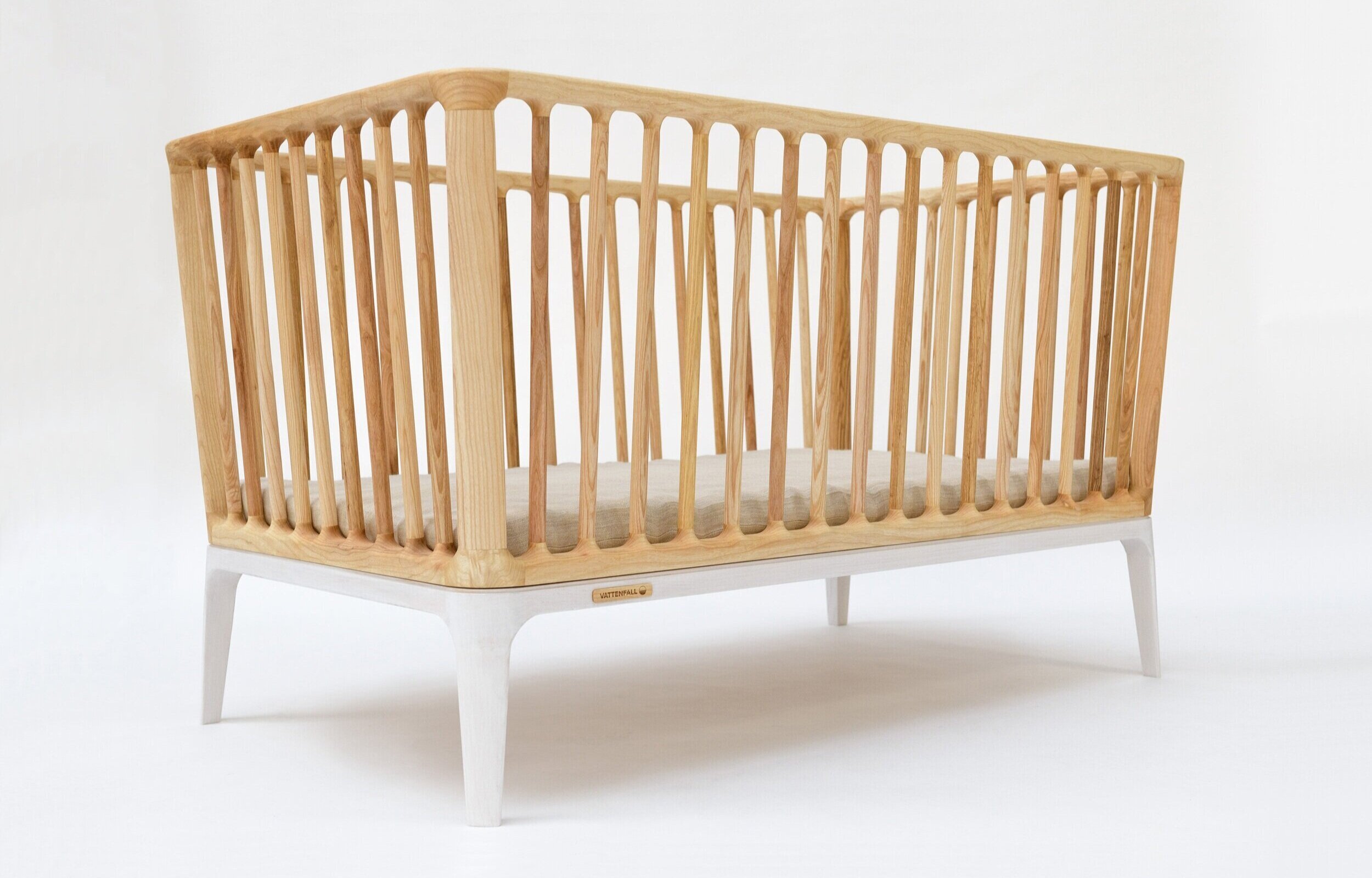
A future-facing piece of furniture produced using new alongside centuries-old manufacturing techniques demanded a timeless design language. The lightly coloured ash and visual lightness of the frame helped us get there — a nod to Scandinavian design and the company’s own origins.
Refined in the details
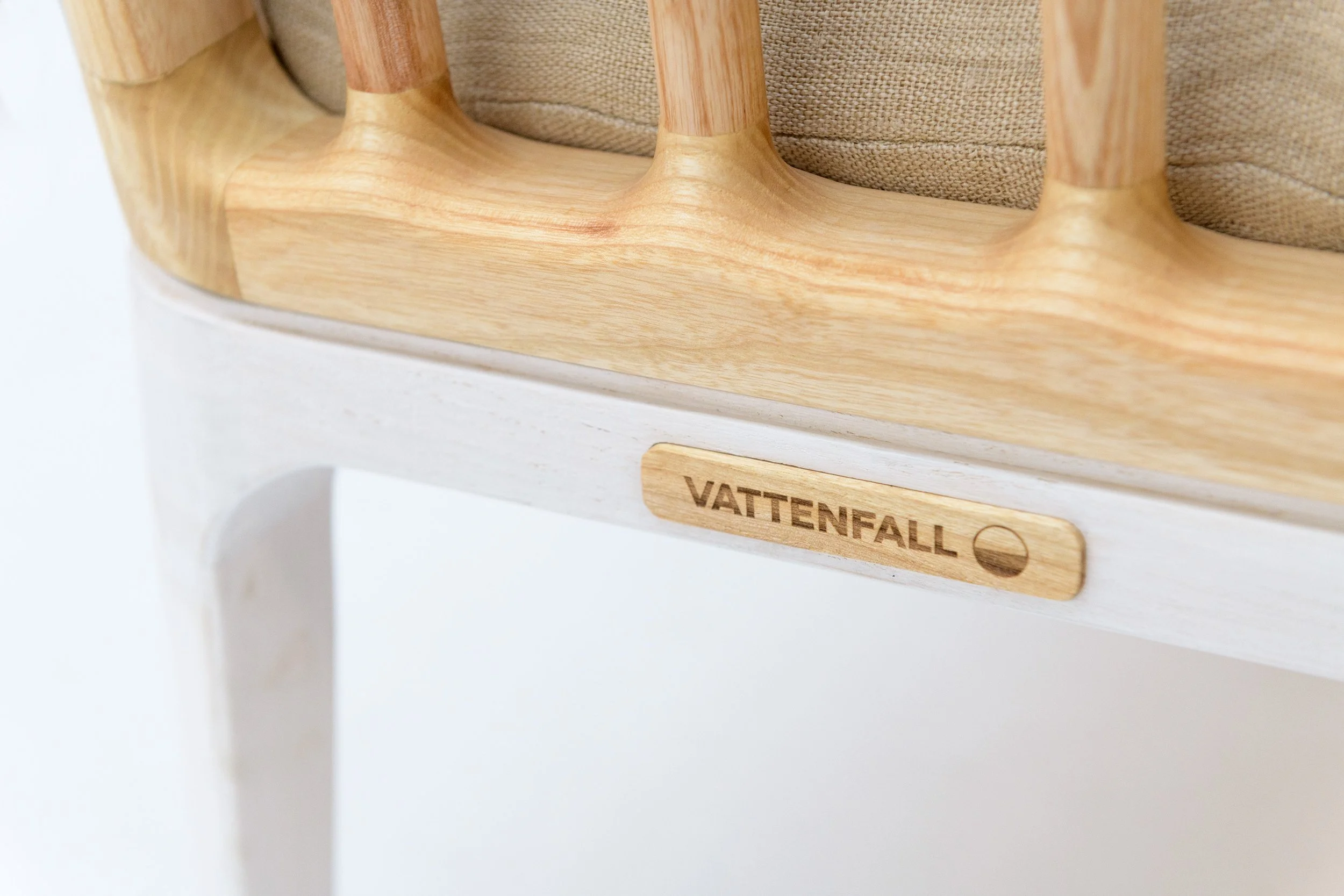
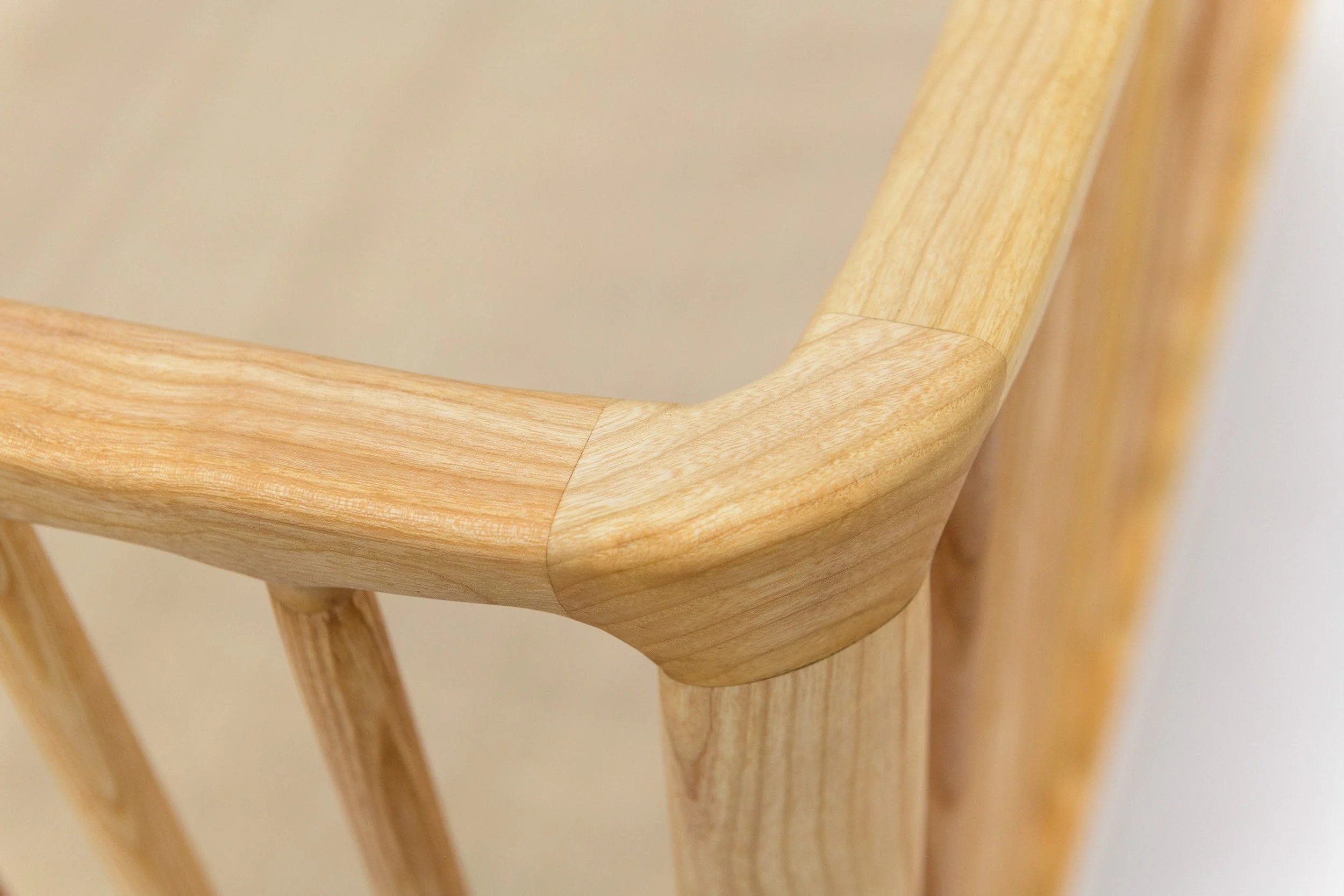
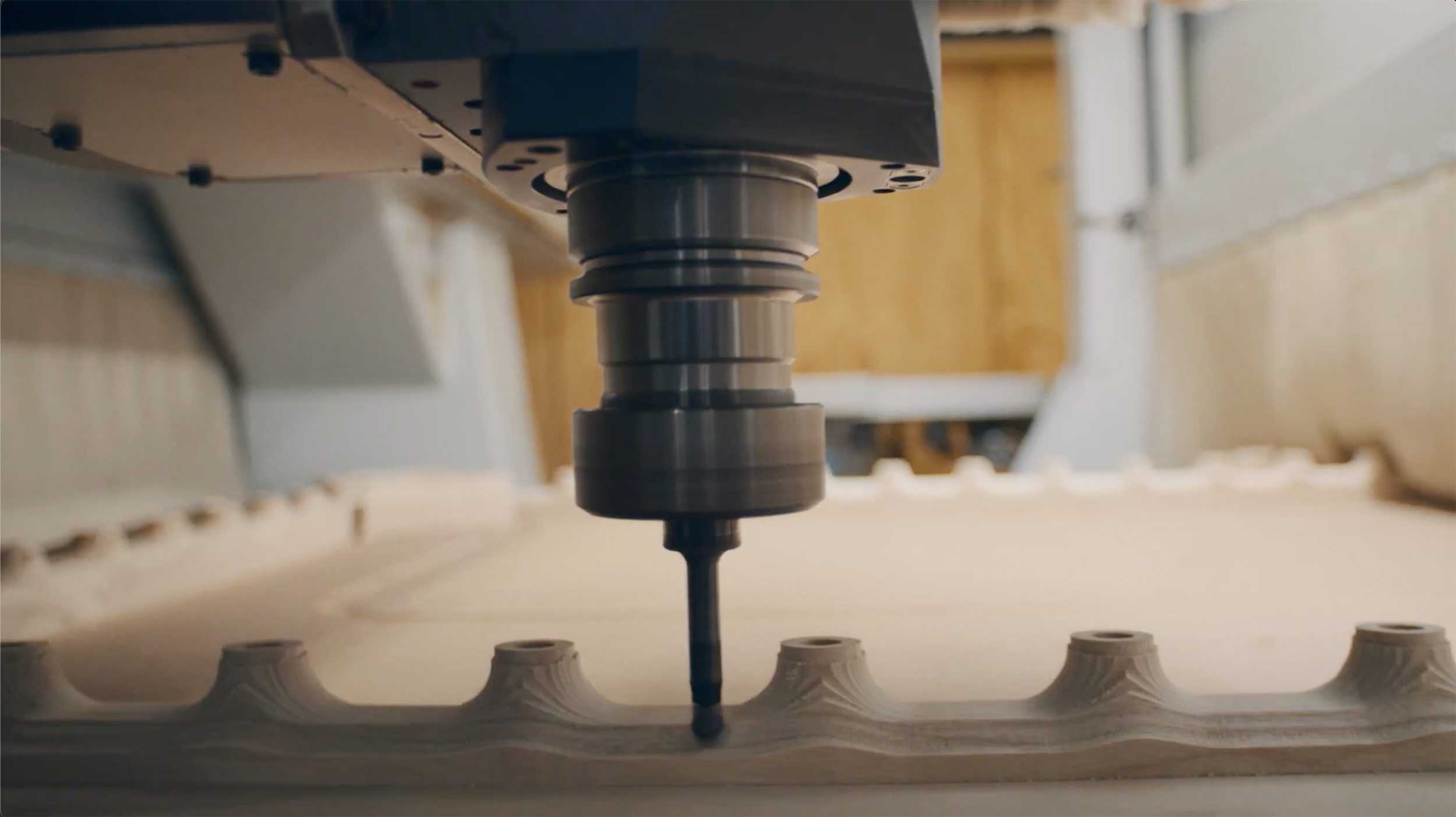
The materials’ natural colours and the addition of soft, round CNC details invoke the calming atmosphere of a child’s bedroom.
The tapered sides and split line between the base and the top add dynamism and sophistication, supporting the bold and hopefull message the product wants to send.
Without the option to use metal fasteners or synthetic glues, our design used wood joinery techniques and natural glue to uphold the integrity of the crib.


Accountability, End to End
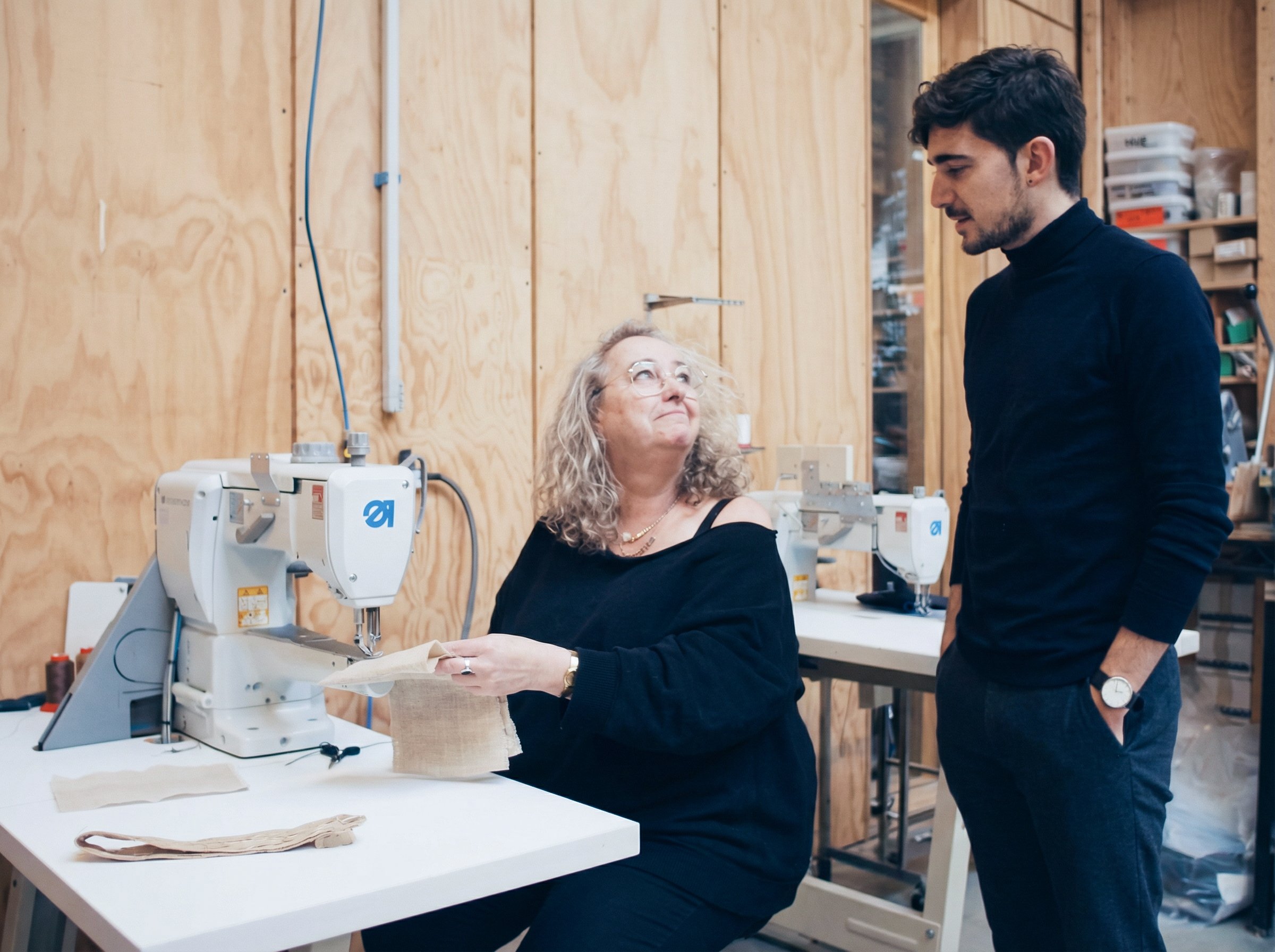
From locating the most basic raw material to testing the final wood joint, the process was an immense challenge in material traceability. The strict sustainability framework that guided the supplier selection process meant going to great lengths to locate industrial facilities powered by renewable energy, working with local artisans, finding leaders in biomaterials as sourcing partners and closing supply chain gaps using our own electric vehicles.
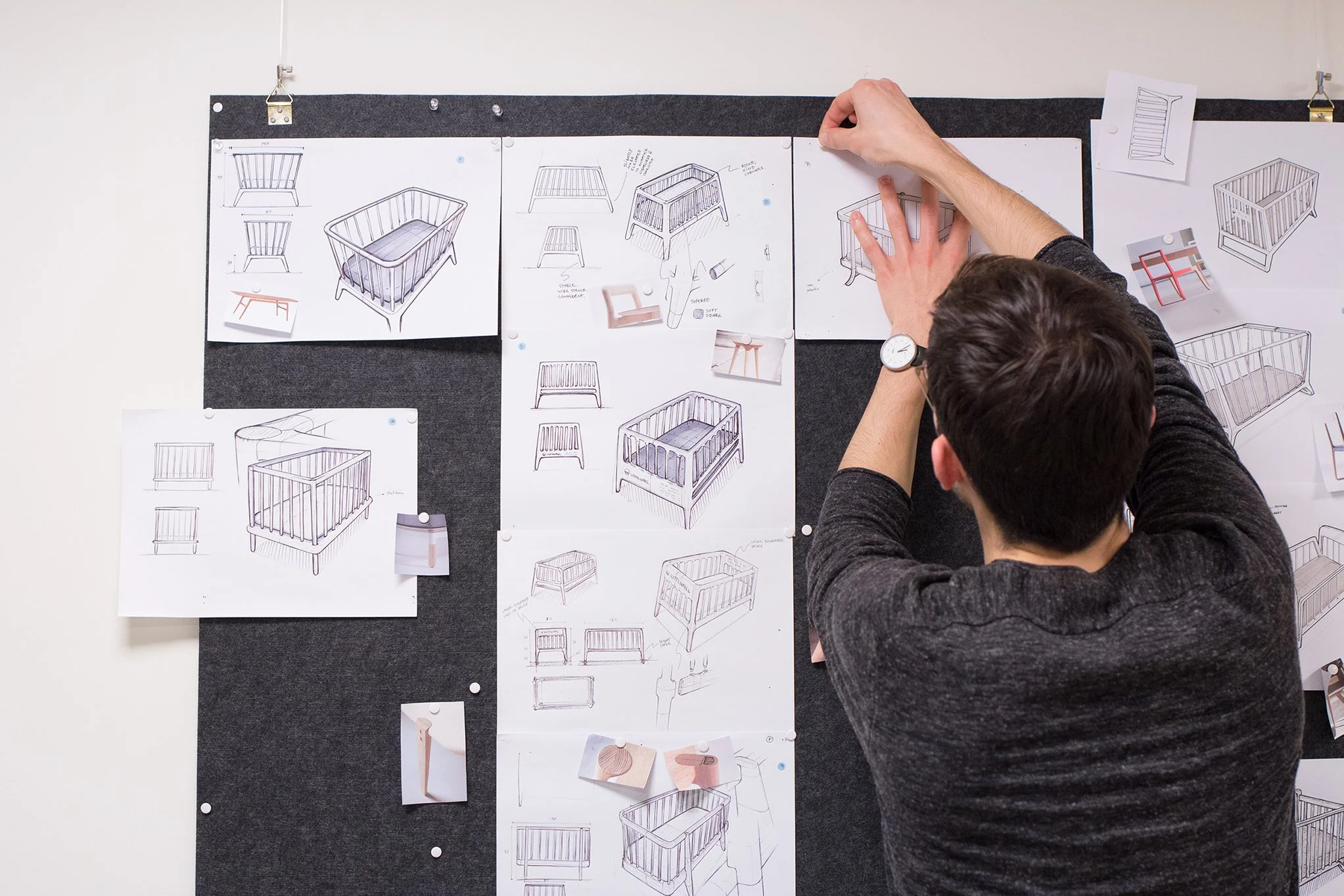
Proudly designed at Frolic studio
Client: Sweden-born sustainable energy company Vattenfall.
Collaborator: DDB Worldwide